In the world of sesquiterpenes, few compounds are as commercially significant yet frequently misunderstood as the farnesene isomers. While both α-farnesene and β-farnesene share the molecular formula C₁₅H₂₄ and natural origins, their structural differences translate into distinct properties, applications, and market values. For formulators, fragrance creators, and material scientists, understanding these differences isn't just academic—it's essential for product success.
At Hesheng Tech, we specialize in producing both high-purity α-farnesene (CAS 502-61-4) and β-farnesene (CAS 18794-84-8) through sustainable microbial fermentation. This guide will provide the clarity you need to make informed decisions about which isomer—or combination—is right for your specific application.
α-Farnesene (CAS 502-61-4)
Chemical Name: (3E,6E)-α-Farnesene
IUPAC Name: (3E,6E)-3,7,11-Trimethyl-1,3,6,10-dodecatetraene
Key Feature: Terminal double bonds in a specific arrangement
Isomer Type: Acyclic sesquiterpene with distinct double bond positioning
β-Farnesene (CAS 18794-84-8)
Chemical Name: (E)-β-Farnesene
IUPAC Name: (E)-7,11-Dimethyl-3-methylene-1,6,10-dodecatriene
Key Feature: Exocyclic methylene group at C3 position
Isomer Type: Acyclic with different double bond configuration
Primary Natural Sources:
Apple peel (particularly in stored apples)
Citrus fruits (peel oils)
Rose petals (Rosa damascena)
Orange blossoms
Grapefruit
Biological Role: Acts as a natural antifungal and antibacterial agent in plants. In apples, it's produced as a response to stress and storage conditions, forming part of the fruit's natural defense system against pathogens.
Primary Natural Sources:
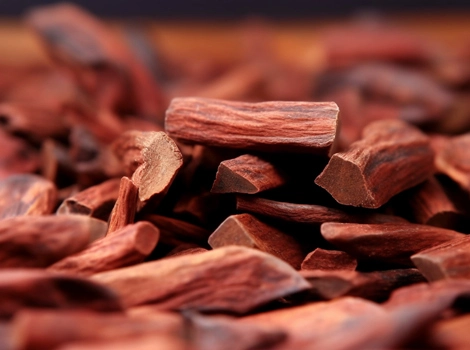
Patchouli (Pogostemon cablin)
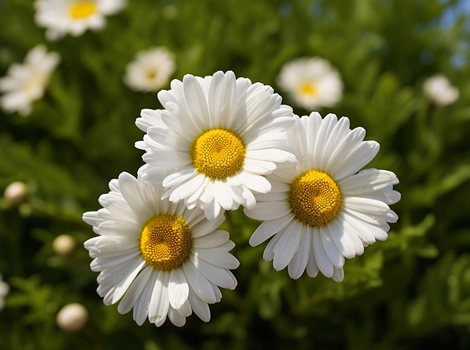
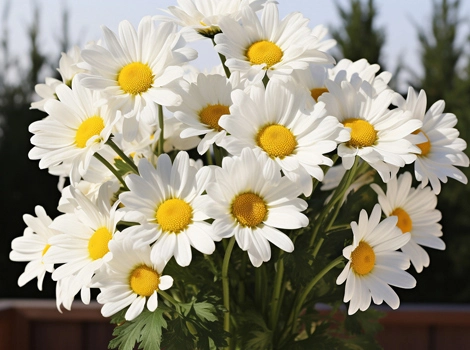
German chamomile (Matricaria chamomilla)
Juniper berries
Ginger root
Peppermint and spearmint
Ginseng
Biological Role: Serves multiple functions including:
Alarm pheromone in aphids (when released, signals danger to other aphids)
Antimicrobial defense in plants
Attractant for certain beneficial insects
Industrial Significance: The traditional reliance on plant extraction for β-farnesene created sustainability challenges. Our bio-fermentation approach at Hesheng Tech eliminates this dependency, providing consistent, scalable supply without agricultural limitations.
Primary Notes:
Fresh, green, slightly fruity
Reminiscent of green apple peel
Subtle citrus undertones
Light, uplifting character
Intensity & Tenacity:
Medium intensity
Moderate tenacity (acts as middle note)
Good diffusivity
Best described as "bright" and "clean"
Perfumery Role: Used primarily for adding fresh, natural green notes to fragrances. Particularly valued in citrus, floral, and fruity compositions where a natural "just-picked" quality is desired.
Primary Notes:
Earthy, woody, balsamic
Distinct ginseng-like quality
Warm, resinous undertones
Herbal complexity
Intensity & Tenacity:
Stronger base notes
Excellent tenacity (acts as base/fixative)
Lower diffusivity but longer-lasting
Creates depth and warmth
Perfumery Role: Functions as both a fragrance component and fixative. Essential in oriental, woody, and chypre compositions. The (E)-β-farnesene isomer is particularly prized for its stability and scent profile.
Characteristic | α-Farnesene | β-Farnesene |
Top Notes | Fresh, green | Herbal, spicy |
Heart Notes | Fruity, citrus | Woody, earthy |
Base Notes | Light, clean | Balsamic, resinous |
Tenacity | 4-6 hours | 8-12 hours |
Best Blends With | Citrus, floral, aquatic | Oriental, woody, amber |
Perceived Quality | Natural, refreshing | Sophisticated, deep |
α-Farnesene (CAS 502-61-4):
Oxidation Sensitivity: High—readily oxidizes to conjugated trienols
Storage Requirements: Inert atmosphere, antioxidants recommended
Shelf Life: 6-12 months with proper stabilization
Polymerization Risk: Moderate
β-Farnesene (CAS 18794-84-8):
Oxidation Sensitivity: Moderate
Storage Requirements: Standard conditions adequate
Shelf Life: 12-18 months
Polymerization Risk: Lower than α-isomer
Technical Insight: The different double bond arrangements affect electron density and thus reactivity. α-Farnesene's conjugated system makes it more prone to oxidation—a factor that must be considered in formulation stability testing.
Common to Both:
Oil Soluble: Excellent in all common cosmetic oils
Alcohol Soluble: Good in ethanol and propylene glycol
Water Insoluble: Require emulsification for aqueous systems
Formulation Note: Both isomers exhibit excellent compatibility with common cosmetic ingredients including silicones, esters, and natural oils. Their similar solubility profiles mean they can often be used interchangeably from a formulation perspective, though their functional differences dictate specific applications.
1. Fragrances & Flavors
Premium Perfumery: Adding natural green top notes
Functional Fragrances: In household cleaners for "fresh" scent associations
Flavor Enhancement: Subtle fruit notes in beverage and confectionery flavors
2. Cosmetics & Personal Care
Skin Care: Antioxidant properties in anti-aging formulations
Hair Care: Scalp treatments targeting microbial balance
Natural Preservative: Mild antimicrobial action in preservative-free systems
3. Agricultural Applications
Plant Defense Stimulants: Enhancing natural plant immunity
Post-Harvest Treatments: Extending freshness of fruits and flowers
1. Advanced Materials
Bio-based Polymers: Precursor for high-performance rubbers
Renewable Fuels: Intermediate for sustainable aviation fuel (SAF)
Specialty Chemicals: Building block for vitamin E (via isophytol)
2. Fragrances with Function
Fixative Base: Extending fragrance life in premium perfumes
Therapeutic Scents: In aromatherapy for grounding effects
Masculine Fragrances: Core component in woody-spicy compositions
3. Green Chemistry
Platform Chemical: For various sesquiterpene derivatives
Sustainable Solvents: In green extraction processes
Polymer Additives: Modifying material properties
Your Need | Recommended Isomer | Why | Typical Concentration |
Fresh, green fragrance | α-Farnesene | Authentic natural quality | 0.1-2.0% |
Long-lasting base note | β-Farnesene | Excellent fixative properties | 0.5-3.0% |
Bio-based materials | β-Farnesene | Better polymerization control | Varies by process |
Antioxidant formulation | α-Farnesene | Higher reactivity beneficial | 0.05-0.5% |
Cost-sensitive product | Depends on pricing | Market fluctuations affect both | - |
Regulatory simplicity | Both equal | Similar regulatory status | - |
Plant Extraction Limitations:
α-Farnesene: Primarily from apple pomace (low yield: <0.1%)
β-Farnesene: From patchouli oil (3-5% content)
Issues: Seasonal variability, geographic dependency, low concentration
Shark Liver Era:
Both isomers were byproducts of squalene production
Ethically and environmentally unsustainable
Completely obsolete in responsible supply chains
Unified Production Platform:
Same Chassis: Engineered Saccharomyces cerevisiae
Different Pathways: Modified metabolic routes for each isomer
Scalable: From lab to industrial scale production
Quality Advantages:
Purity: ≥98% for both isomers
Consistency: Batch-to-batch reproducibility
Sustainability: Zero animal or endangered plant materials
Traceability: Complete supply chain transparency
Economic Benefits:
Stable Pricing: Not subject to crop failures
Volume Flexibility: From kilograms to tons
Quality Control: Superior to natural variation in plants
Influencing Variables:
Purity Requirements (pharma grade vs. industrial)
Volume Needs (bulk discounts available)
Geographic Market (shipping, tariffs)
Application Sector (cosmetics premium vs. industrial)
Current Trends:
β-Farnesene Demand Growth: Driven by materials science applications
α-Farnesene Stability: Consistent demand from fragrance sector
Premium for Natural: Bio-fermented commands slight premium over synthetic
α-Farnesene (CAS 502-61-4):
Traditional Challenges: Apple crop dependency
Modern Solution: Fermentation ensures year-round supply
Storage: Requires careful handling due to oxidation sensitivity
β-Farnesene (CAS 18794-84-8):
Traditional Challenges: Patchouli crop limitations
Modern Solution: Consistent fermentation production
Storage: More stable, lower maintenance requirements
Choose α-Farnesene (CAS 502-61-4) When:
You need fresh, green top notes
Your formulation requires quick evaporation
Cost is a primary concern (often slightly lower priced)
You're creating light, fresh, or citrus-themed products
You need mild antioxidant properties
Choose β-Farnesene (CAS 18794-84-8) When:
You require long-lasting base notes
Fixative properties are important
You're working with woody, oriental, or amber accords
You need material for polymer synthesis
Ginseng or earthy notes are desired
Consider Blending When:
You want complexity and depth
Both freshness and longevity are needed
Cost optimization across multiple properties is desired
You're developing a signature accord
Fragrance Applications:
Fresh Citrus: 70% α-Farnesene, 30% β-Farnesene
Woody Amber: 20% α-Farnesene, 80% β-Farnesene
Balanced Floral: 50% α-Farnesene, 50% β-Farnesene
Material Science:
Polymer Precursor: Pure β-Farnesene preferred
Fuel Intermediate: Technical grade β-Farnesene
Chemical Intermediate: Depends on specific transformation
Natural Status: Both are 100% natural when produced via fermentation
General Safety: Well-tolerated in cosmetic applications
Non-Toxic: Low toxicity profiles
Biodegradable: Readily broken down in environment
α-Farnesene:
Oxidation Products: Monitor for potential sensitizers
Storage: Requires antioxidants in some applications
IFRA: No restrictions at typical use levels
β-Farnesene:
Stability: Generally more stable in formulations
IFRA: Compliant within standard usage
Transport: Standard chemical handling procedures
Certifications Available:
ISO 9001:2015 (quality management)
Kosher certification
Halal certification
GMP standards for pharma grades
α-Farnesene Developments:
Enhanced Stability: New stabilization technologies
New Sources: Genetic engineering of high-yield plants
Novel Applications: In electronic materials research
β-Farnesene Innovations:
Polymer Advances: New bio-rubbers with superior properties
Fuel Efficiency: Improved conversion to renewable fuels
Pharmaceutical: Potential therapeutic applications being explored
Short-term (1-3 years):
Growing preference for bio-fermented over plant-extracted
Increased β-farnesene demand from materials sector
Price stabilization through scale-up
Long-term (3-5 years):
New isomer-specific applications emerging
Potential for designer farnesenes through synthetic biology
Expansion into new industrial sectors
The choice between α-farnesene and β-farnesene ultimately depends on your specific application needs:
For Sensory Applications (fragrances, flavors):
α-Farnesene delivers freshness, lightness, and natural green character
β-Farnesene provides depth, warmth, and longevity
Strategic Blending creates complex, well-rounded sensory experiences
For Functional Applications (materials, chemicals):
β-Farnesene is generally preferred for polymerization and chemical synthesis
α-Farnesene finds niche applications where its specific reactivity is advantageous
Purity and Consistency become paramount considerations
For Sustainable Sourcing:
Both isomers are available through Hesheng's fermentation platform
Advantages: Consistent quality, scalable supply, ethical production
Future-proof: Not dependent on agricultural or marine resources
Before finalizing your decision:
Request samples of both isomers for direct comparison
Test in your specific application—performance can be formulation-dependent
Consult with technical experts on optimal usage levels
Consider future scalability in your supply chain planning
At Hesheng Technology, we provide not just high-purity α-farnesene (CAS 502-61-4) and β-farnesene (CAS 18794-84-8), but also the technical expertise to help you select and utilize the right isomer for your success.
Ready to explore which farnesene isomer is right for you?
[Contact our technical team] for complimentary samples, formulation guidance, or a detailed comparison tailored to your specific application requirements.

 English