In the quest for natural and safer alternatives in various industries, nootkatone has emerged as a groundbreaking discovery. This compound, though lesser-known, is gaining recognition for its versatile applications and potential benefits. From its role in enhancing the aromatic profile of products to its promising health implications, nootkatone is stepping into the spotlight. Often found in citrus fruits and traditionally used in insecticide spray ingredients, its diverse uses and emerging safety profile make it a topic worth exploring. This article will delve into its origin, applications in food and beverages, aromatic profile, potential health benefits, and safety considerations. For those in the food industry or seeking trendy superfood supplements, understanding nootkatone could provide a competitive edge.
Key Facts: Nootkatone at a Glance (2026 Edition)
Common Sources: Naturally found in Grapefruit peel and Cedarwood; however, Microbial Fermentation (Biosynthesis) is now the industry standard for sustainable, high-purity supply.
Regulatory Status: Fully compliant with GRAS (Generally Recognized as Safe) for food use and EPA registered as a high-efficacy, non-toxic bio-pesticide.
Key Applications: * Flavor: Authentic Citrus & Grapefruit notes for beverages.
Fragrance: Vibrant, woody-citrus scent profiles.
Pest Control: Next-generation repellent for Ticks, Mosquitoes, and Thrips.
Product Advantage: Hesheng Technology’s biosynthetic Nootkatone ensures 98%+ purity with a stable, deforestation-free supply chain.
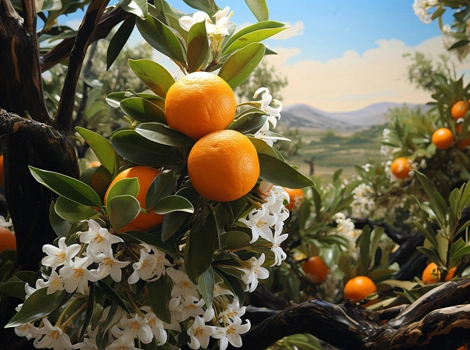
Nootkatone is a naturally occurring sesquiterpene found predominantly in grapefruits, which gives them their distinct tangy taste. This compound is produced in smaller quantities, making it valuable and somewhat costly, thus prompting synthetic biology companies to explore economically viable production methods. The chemical structure of nootkatone, C15H22O, allows it to participate in various biochemical interactions, contributing to its myriad applications.
Though naturally derived, modern production of nootkatone involves both extraction from natural sources and combinatorial biosynthesis, the latter offering a sustainable solution. This innovation not only meets the growing demand but also ensures consistency in quality and availability, making nootkatone a sustainable choice among its natural counterparts like santalol from indian sandalwood.
As global supply chains transition toward sustainable biotechnology, understanding the differences between sourcing methods is crucial for 2026 production planning.
| Feature | Natural Grapefruit Extract | Biosynthetic Nootkatone (Hesheng Tech) |
| Purity & Quality | Variable (typically 70%-85%); contains seasonal impurities. | Platinum Grade (≥98%); consistent, standardized batches. |
| Supply Stability | High risk; dependent on citrus harvests and weather. | Ultra-Stable; industrial-scale fermentation year-round. |
| Cost Efficiency | High & Volatile (driven by fruit market prices). | Cost-Effective; optimized via metabolic engineering. |
| Environmental Impact | High water/land usage; agricultural waste issues. | Eco-Friendly; minimal carbon footprint; no deforestation. |
| Regulatory Compliance | Natural/Organic (depending on extraction). | Clean Label / Vegan / GMO-free fermentation. |
Key Takeaway for Formulators: While natural extracts are traditional, Biosynthetic Nootkatone is the preferred choice for 2026 formulations requiring high-purity consistency and ESG-compliant sourcing.
The global palate increasingly values natural flavors, and nootkatone is no exception to this trend. Offering a tart yet sweet citrus note, it is utilized in various food and beverage products, enhancing flavors without adding calories. Its application is not only limited to mere flavor enhancement but also extends to the realms of freshness enhancer and ingredient preservation, a valuable quality for superfood supplements.
Moreover, as consumers lean towards clean labeling, products incorporating natural compounds like nootkatone cater to this demand. Its ability to integrate seamlessly into various formulations makes it a staple in the food industry, standing alongside compounds such as sclareolide and ambroxide, which are used for similar enhancement purposes.
Identified by its characteristically vibrant and refreshing aroma, nootkatone is often included in fragrances and astaxanthin skin care products. This aromatic compound's scent profile is reminiscent of both sweet oranges and tropical citrus fruits, inspiring innovative olfactory compositions that are appealing and multifaceted.
Its addition to perfumes and body sprays not only enriches the fragrance but also provides a natural alternative to chemical synthetic compounds. The fragrance industry values such naturally derived scents, promoting a wider range of organic formulations. Nootkatone's scent is often compared and contrasted with santalol and other essential oil constituents, adding layers of uniqueness to perfumes.
Beyond its olfactory and flavor appeal, nootkatone is increasingly studied for potential health benefits. It has shown promising results in pest deterrence, leading to its use in natural insecticide spray ingredients targeting specific pests like spinosad thrips. The use of nootkatone offers eco-friendly solutions in agriculture without harmful residue.
Additionally, preliminary studies suggest beneficial metabolic impacts, supporting weight maintenance and energy expenditure, thus finding its way into the formulations of health-focused superfood supplements. These advantages echo the growth in consumer interest towards natural ingredients promising health outcomes, similar to compounds like astaxanthin serum utilized for skin care.
While traditional pest management has long relied on synthetic chemicals, the 2026 market shift emphasizes bio-based safety. Here is how Nootkatone compares to conventional solutions like DEET:
Eco-Friendly Profile: Unlike synthetic DEET, which can be harsh on plastics and has a distinct chemical odor, Nootkatone is a food-grade compound that offers a refreshing citrus aroma.
Non-Toxic Efficacy: Nootkatone provides a non-toxic alternative that is safe for topical use and environmental dispersion, especially in sensitive areas where chemical residues are a concern.
Synergy with Bio-actives: While compounds like Santalol (from Indian Sandalwood) and Sclareolide are valued for their fixative and aromatic properties, Nootkatone adds a functional layer of proven pest deterrence against ticks and mosquitoes, making it a "multi-purpose" active ingredient for high-end skincare and outdoor formulations.
As with any ingredient, understanding relevant safety considerations is crucial. Nootkatone has been assessed for its non-toxic properties, establishing it as safe for consumption and topical application in regulated quantities. Its inclusion in edibles and cosmetics is supported by extensive research, easing concerns that often accompany new ingredient adoption.
Nevertheless, those with citrus allergies or sensitivities should exercise caution, although nootkatone usage is generally devoid of adverse effects. As regulations evolve, especially concerning natural food additives, synthetic biology companies continue ensuring thorough testing and documentation to support nootkatone's safety profile. Manufacturers interested in exploring nootkatone in their products can benefit from understanding its regulatory status and aligning their practices accordingly.
In conclusion, understanding nootkatone extends beyond its chemical formula to its broader implications in flavor, fragrance, and health. With an emphasis on natural alternatives growing, nootkatone's role in diverse industries highlights its importance. As research continues to reveal its potential, embracing nootkatone could offer significant advancements in product development and consumer health.
Yes. Nootkatone is GRAS (Generally Recognized as Safe) and has been approved by the FDA for use in food and beverages as a flavoring agent. For topical applications, it is recognized as a non-toxic, eco-friendly compound. In 2026, it remains a top choice for brands seeking natural-identical ingredients that meet strict safety standards for both skin care and edibles.
Research and EPA evaluations have shown that Nootkatone is a highly effective bio-pesticide. Unlike DEET, which is a synthetic chemical, Nootkatone is a naturally occurring sesquiterpene that offers a pleasant citrus scent and is non-greasy. It is particularly effective against ticks and mosquitoes, providing a high-performance, food-grade alternative for sustainable pest management.
While chemically identical to the natural extract, Biosynthetic Nootkatone produced via microbial fermentation offers three key advantages:
Purity: Achieves platinum-level consistency (≥98%).
Price Stability: Not affected by citrus harvest fluctuations.
Sustainability: Requires significantly less land and water, aligning with 2026 global ESG and Clean Beauty requirements.
Absolutely. As a product of advanced biotechnology, Hesheng’s Nootkatone is vegan, non-GMO, and produced without the use of harsh chemical solvents. This makes it an ideal ingredient for companies aiming to meet the 2030 Green Initiative and other transparency-driven market standards.
Preliminary biological studies suggest that Nootkatone may activate the AMPK pathway, which is involved in energy metabolism. While primarily used for flavor and fragrance, its potential to support energy expenditure and weight management is making it an emerging ingredient of interest for the superfood supplement and functional beverage industry.

 English