Sclareolide is an intriguing compound that has gained popularity in the world of both fragrance and skincare. With its multifaceted uses, from acting as a scent fixative to offering potential skin health benefits, it's no wonder that sclareolide is an attractive ingredient for many synthetic biology companies looking to create innovative products. Understanding the properties and benefits of sclareolide can provide insights into its application and effectiveness. This article explores its chemical structure, natural sources, uses in perfume formulation, skin health benefits, and safety profile. Whether you're curious about its role in a new astaxanthin serum or considering its benefits in astaxanthin skin care, this comprehensive guide will enlighten you about this remarkable compound.
Sclareolide is a bicyclic diterpene lactone with a unique structure that contributes significantly to its properties and functionalities. The compound possesses a distinctive cyclopentane core, influencing its olfactory profile and reactivity. The specific configuration of sclareolide is essential for its role as a fragrance and as a potential active ingredient in skincare. Its structure further facilitates its ability to act as a fixative, holding the scent's longevity when mixed with other fragrance ingredients.
| Property | Description |
|---|---|
| Molecular Formula | C16H26O2 |
| Molecular Weight | 250.376 g/mol |
| Boiling Point | 310°C (590°F) |
| Odor Profile | Sweet, woody, ambery |
These properties, particularly the odor profile, make sclareolide an attractive ingredient for creating complex and captivating scents. The indian sandalwood, santalol, and similar aromatic compounds complement sclareolide's fragrance profile, enhancing its use in both perfumes and skincare products.
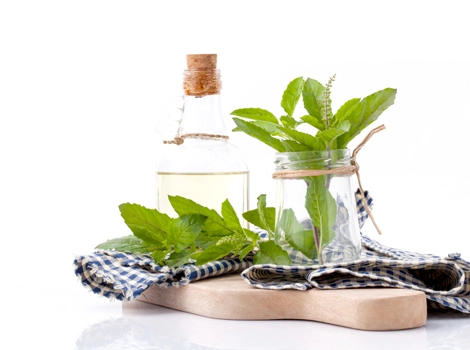
Sclareolide is predominantly derived from the clary sage plant (Salvia sclarea), although it is also synthesized by synthetic biology companies to meet the high demand. The extraction process typically involves volatile solvents, which allow for the effective isolation of sclareolide from plant materials. Critical to producing high-quality sclareolide is the choice of solvents and extraction techniques, which can significantly impact purity and efficacy.
| Source | Extraction Method | Yield |
|---|---|---|
| Clary Sage | Solvent Extraction | 2-3% |
| Lab Synthesized | Chemical Synthesis | Higher consistency |
Both natural extraction and synthetic production methods strive to provide an environmentally sustainable and economically viable source of sclareolide. The natural aroma compounds like nootkatone, ambroxide, and santalol often accompany sclareolide in formulations, supporting diverse fragrance profiles with sustainable sourcing methods.
In perfumery, sclareolide plays a critical role as a fixative due to its ability to enhance and extend the presence of other volatile oils. Its use within formulations helps balance and stabilize the fragrance composition, often contributing to the background notes that linger on the skin and in the environment. Fragrances containing indian sandalwood and other similar scents are typically complemented by sclareolide's sweet, ambery undertones.
| Fragrance Note | Role of Sclareolide |
|---|---|
| Top | Provides subtle depth to citrus and fresh notes |
| Middle | Enhances floral and fruity nuances |
| Base | Strengthens woody and musky characteristics |
Utilizing sclareolide in fragrance creation not only enhances the bouquet but ensures the scent longevity, making it a coveted component in the world of luxury perfumes and artisan scents alike. The significant interplay with scents like santalol further elevates the olfactory experience.
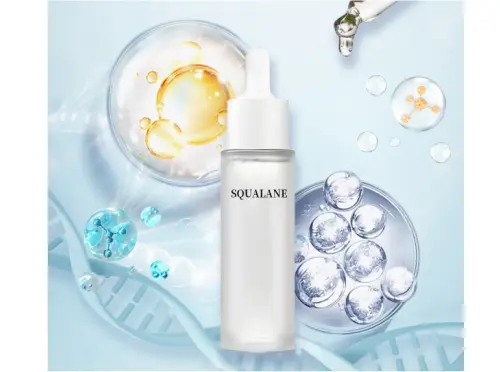
Besides its use in fragrances, sclareolide has garnered attention for its potential skin benefits. It is often incorporated into serums and creams like the astaxanthin serum, contributing to antioxidative properties that may benefit skin health. Studies suggest that sclareolide can help in soothing the skin, improving texture, and potentially offering protection against oxidative stress.
| Usage | Benefits |
|---|---|
| Serums | Antioxidant properties, skin texture improvement |
| Creams | Soothing, moisturizing |
| Lotions | Flexibility in combination with other active ingredients |
Combined with other active ingredients like astaxanthin skin care products, the oxidative stress impact is further diminished, leading to healthier and more resilient skin. The inclusion of spinosad thrips derived components complements the skincare formulation, addressing specific skin conditions.
Understanding the safety and solubility profile of sclareolide is essential for formulators and users alike. This compound is generally regarded as safe, with minimal irritation reported upon topical application. Its solubility in organic solvents but limited water solubility can affect how it is incorporated into both fragrance and skincare formulations.
| Property | Description |
|---|---|
| Solubility in Water | Low |
| Solubility in Oils | High |
| Safety | Minimal irritation, widely accepted |
Sclareolide's integration into products is paralleled with ingredients like superfood supplements, which focus on maximizing efficacy while maintaining user safety. Professional guidelines and reputable synthetic biology companies ensure that sclareolide use complies with industry standards for the best consumer experience.
In conclusion, sclareolide remains a vital ingredient in both the fragrance and skincare industries due to its unique properties and benefits. Its role as a fixative enhances scent longevity and depth, while its potential health benefits contribute to advancing skincare formulations, making it invaluable in both fields. With ongoing research and innovation, its applications and efficacy continue to expand, offering more opportunities for synthetic biology companies and consumers alike.

 English