Molecular Formula:C15H24
CAS Number:502-61-4/18794-84-8
Constitutional formula:α-FARNESENE/β-FARNESENE
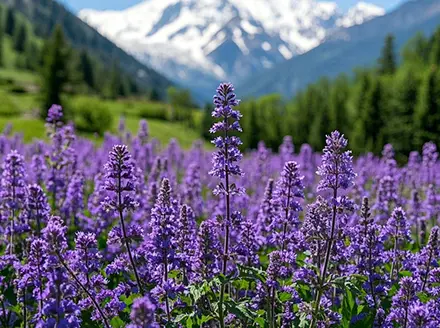
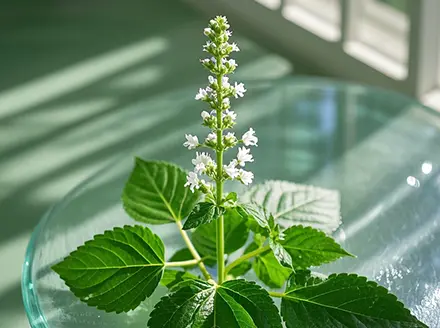
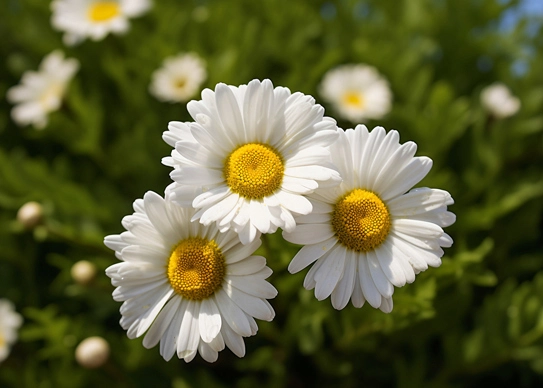
Farnesene is a naturally occurring fragrance that can be found in various plant essential oils, and it is categorized into α-Farnesene(CAS 502-61-4) and β-Farnesene(CAS 18794-84-8), each bringing a distinct aromatic essence. α-Farnesene is mostly derived from orange blossoms and rose petals; its fragrance gradually fades as the flowers age post-harvest. On the other hand, β-Farnesene has a ginseng-like aroma and is primarily sourced from plants such as patchouli, German chamomile, and juniper. Additionally, it contains trace amounts of essential oils from geranium, ginger, peppermint, and spearmint.
Hesheng Tech is a leading supplier of premium α-Farnesene and β-Farnesene, produced through innovative and sustainable microbial fermentation technology. Our high-purity ingredients are ideal for flavors & fragrances and advanced material applications. Request a sample or quote.
| Product Name | CAS Number | Molecular Formula | Purity | Application |
| α-FARNESENE/ β-FARNESENE | C15H24 | 502-61-4/ 18794-84-8 | α-FARNESENE/≥98% | Flavors & Fragrances/ Advanced Material |
Reiki fragrance
Farnesene is a natural fragrance, found in a variety of plant essential oils, divided into α-Farnesene and β-Farnesene, Which aroma brings a texture of spirit.
α-Farnesene primarily comes from orange blossoms and rose flowers—the gradual dissipation of α-Farnesene results from the reduction in fragrance after the flowers are picked.
β-Farnesene, with a ginseng scent, primarily originates from plants such as patchouli, German chamomile, and juniper. It also contains small amounts of geranium, ginger, peppermint, and spearmint essential oils.
Microbiological fermentation
Due to the low natural occurrence of Farnesene in plants, large-scale extraction of these compounds is challenging. The microbial fermentation method has become one of the best ways for industrial production. It is not affected by seasonal, regional, or other factors and offers advantages such as easy access to raw materials, a short production cycle, low cost, high safety, and reduced environmental pollution. Wuhan Hesheng Technology utilizes synthetic biology methods, employing Saccharomyces cerevisiae as the fermentation chassis, to achieve an efficient synthesis of α--Farnesene and β-Farnesene.
Rich derivative function
Wuhan Hesheng Technology has innovated a process that uses bio-fermented farnesene as a raw material to synthesize isophotal, revolutionizing the production method of vitamin-E.
Furthermore, bio-fermented β-Farnesene can be used as a synthetic precursor for aviation fuel and can also be further developed into high-energy rubber, which can maintain excellent performance even in harsh environments such as high temperatures and extreme cold.
α-Farnesene (CAS 502-61-4) and β-Farnesene (CAS 18794-84-8) are versatile sesquiterpenes with distinct properties that make them valuable across multiple high-growth industries. From creating captivating scents to enabling sustainable materials, these isomers are key ingredients driving innovation. The expanding farnesene market reflects their increasing importance in both traditional and cutting-edge applications.
Flavors & Fragrances
In the F&F industry, the unique aromatic profiles of these isomers are irreplaceable.
α-Farnesene (CAS 502-61-4): Prized for its delicate, fresh floral and green notes reminiscent of apple peel, rose, and citrus blossoms. It is extensively used to add natural, top-note freshness to fine perfumes, personal care products, and household cleaners.
β-Farnesene (CAS 18794-84-8): Characterized by its earthy, woody, and ginseng-like aroma, this isomer (including the (E)-β-farnesene variant) is essential for creating warm, balsamic, and herbal accords. It forms the base of many oriental fragrances and is found in essential oil blends featuring patchouli, chamomile, and cedarwood.
Advanced Materials & Industrial Applications
Beyond their scent, farnesene isomers serve as crucial renewable building blocks for next-generation materials, a major driver in the farnesene market.
Bio-based Polymers & Rubber: β-Farnesene is a premier precursor for the synthesis of high-performance, bio-based rubbers (e.g., farnesene-derived isoprene). These materials exhibit exceptional elasticity and stability across a wide temperature range, making them suitable for automotive and specialty applications.
Renewable Fuels: As a sesquiterpene hydrocarbon, farnesene (particularly β-farnesene) can be catalytically upgraded into drop-in biofuels and sustainable aviation fuel (SAF), offering a low-carbon alternative to fossil fuels.
Specialty Chemicals: Both isomers are valuable intermediates in organic synthesis. For instance, hydrogenated farnesene (farnasane) is used in premium lubricants, while they also serve as starting points for vitamins (e.g., Vitamin E via isophytol) and other fine chemicals. Whether you are developing a new fragrance or engineering a sustainable material, α-Farnesene and β-Farnesene offer powerful, natural solutions. Contact Hesheng Technology to discuss how our high-purity, bio-fermented farnesene can meet your specific application requirements.
| Feature | Bio-fermentation (HeshengTech) | Natural Plant Extraction |
| Sustainability | High (Sustainable & Eco-friendly) | Low (Requires vast land/crops) |
| Supply Stability | Consistent (Year-round production) | Seasonal & Region-dependent |
| Purity (α/β) | High (≥98%) & Controllable | Lower & Inconsistent |
| Environmental Impact | Low Carbon Footprint | High (Pesticide/Water use) |
| Cost Efficiency | High (Scalable via Synthetic Biology) | Very High (Limited natural yield) |

The primary difference lies in their chemical structure and aromatic profile. α-Farnesene (CAS 502-61-4) is prized for its fresh, floral notes like rose and apple peel. In contrast, β-Farnesene (CAS 18794-84-8) has an earthy, ginseng-like scent and serves as a critical building block for advanced materials, including bio-based rubber and sustainable fuels.
We utilize an advanced Saccharomyces cerevisiae (yeast) fermentation platform. This synthetic biology approach allows us to achieve high titers and high purity (≥98%) without the limitations of traditional plant extraction, ensuring a stable supply for the global farnesene market.
Beyond fragrance, our β-farnesene acts as a renewable precursor for isophytol (key for Vitamin E), high-performance lubricants, and Sustainable Aviation Fuel (SAF). It offers a low-carbon alternative to petroleum-based chemicals, helping industries meet their sustainability goals.
Yes, our bio-fermentation process can be optimized to produce high-purity (E)-β-Farnesene, which is a known pheromone and a valuable intermediate in specialty chemical synthesis.

At Hesheng Technology, we specialize in synthetic biology and innovative natural product manufacturing. We offer advanced raw material solutions and welcome collaboration opportunities!


 English