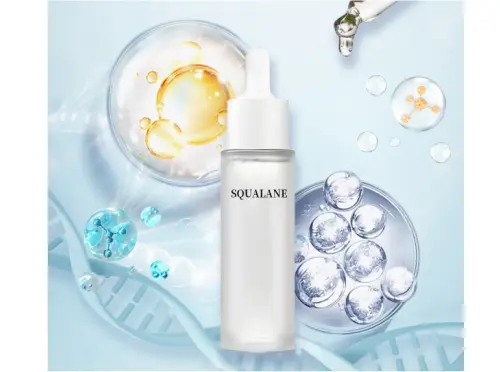
The global beauty industry is undergoing a profound paradigm shift. In 2026, "Clean Beauty" is no longer just about omitting harmful chemicals; it is defined by molecular sustainability, traceability, and clinical efficacy. At the heart of this revolution are biosynthetic cosmetic ingredients produced via advanced microbial fermentation and synthetic biology.
By leveraging engineered micro-organisms like yeast, algae, or E. coli, cosmetic innovators can now bio-manufacture complex plant-derived molecules with unprecedented purity, bypassing the ecological and supply-chain vulnerabilities of traditional agriculture.
This technical report explores the top biosynthetic cosmetic ingredient trends shaping formulations in 2026, providing a strategic blueprint for cosmetic chemists and clean beauty brands.
The rapid acceleration of white biotechnology in cosmetics is propelled by three primary commercial drivers:
Regulatory and Decarbonization Pressures: Strict international green mandates now require beauty brands to transparently report and reduce their Scope 3 upstream carbon emissions. Fermentation-derived ingredients drastically lower the carbon and water footprints compared to crop cultivation.
The "High-Purity" Standard: Traditional plant extracts often contain seasonal impurities, pesticide residues, and allergens. Biosynthetic cultivation guarantees batch-to-batch consistency and a continuous chemical composition profile ($>98\%$ purity), which is essential for sensitive skincare lines.
Biodiversity Preservation: Synthetic biology allows the industry to source rare, endangered, or difficult-to-extract botanical actives (such as Sandalwood oil fractions or certain marine compounds) without disrupting natural ecosystems.
From structural skin matrix boosters to complex aroma compounds, several biosynthetic actives have transitioned from niche lab concepts to dominant commercial market staples.
Ingredient Category | Representative Molecule | Core Bio-Source (2026) | Primary Cosmetic Benefit |
High-Purity Emollients | Sugarcane / Microbial Fermentation | Non-comedogenic barrier repair, deep lipid replenishment | |
Soothing & Anti-Aging Actives | Plant-sugar derived Fermentation | Potent anti-inflammatory, neuro-cosmetic soothing active | |
Functional Diterpenoids | Microbial synthesis (Salvia sclarea pathways) | Melanin regulation, advanced skin brightening, long-lasting aroma fixing | |
Premium Terpenes & Fragrances | Engineered Yeast Bio-conversion | High-intensity citrus olfactory note, bio-pesticide, multi-functional antioxidant |
The market dominance of bio-based Squalane is a perfect case study. Once heavily reliant on shark liver oil or unpredictable olive harvests, modern formulation relies almost exclusively on sustainable sugarcane fermentation. This yields a highly stable, completely transparent, odorless fluid that mimics human sebum perfectly.
Concurrently, biosynthetic Alpha-Bisabolol has overtaken traditional chamomile-derived alternatives. By eliminating the common botanical contaminant herniarin (a known allergen found in natural chamomile extracts), biosynthetic sourcing delivers an ultra-pure active specifically optimized for hyper-sensitive and post-procedure clinical skincare.
In fine fragrance and functional skincare, the transition to biotechnology has solved a decade-long supply problem. When analyzing Sclareol vs Sclareolide key differences, it becomes apparent that biosynthetic manufacturing allows formulators to isolate precise therapeutic benefits—such as the skin-brightening properties of Sclareolide—without the heavy crop waxes or botanical variations inherent in agricultural extraction.
Transitioning a traditional cosmetic formula to a 100% bio-synthetic or bio-based matrix requires strict attention to molecular compatibility and preservation:
Emulsion Stability: Fermentation-derived lipids like biosynthetic Squalane feature exceptional spreading properties and low surface tension. When replacing synthetic mineral oils or volatile silicones, adjustments must be made to the emulsifier system to prevent phase separation.
Synergistic Brightening Systems: For advanced hyperpigmentation and anti-aging treatments, pairing biosynthetic Sclareolide (which downregulates UV-induced melanin synthesis) with stable vitamin C derivatives creates a multi-pathway brightening complex that outperforms traditional hydroquinone formulas without the associated cytotoxicity.
Sustained Odor Delivery: Utilizing biosynthetic sesquiterpenes like Nootkatone ensures that clean beauty fragrances maintain their top-note crispness and core longevity, completely eliminating the need for synthetic phthalate fixatives.
Biosynthetic cosmetic ingredients are bio-identical compounds manufactured via synthetic biology and industrial microbial fermentation. Instead of harvesting large volumes of crops, scientists engineer micro-organisms (such as yeast or microalgae) to convert renewable plant sugars into high-purity, targeted cosmetic actives like squalane, bisabolol, or terpenoids.
Yes, most bio-synthetic ingredients align perfectly with clean beauty principles because they are 100% biodegradable, non-toxic, cruelty-free, and free from heavy metals, microplastics, and pesticide residues. Many modern biosynthetic actives are carrying recognized eco-certifications for green chemistry.
Traditional crop extraction is vulnerable to climate change, droughts, geopolitics, and crop diseases, which cause massive price spikes and batch inconsistencies. Microbial fermentation takes place in controlled bioreactors, ensuring a year-round, uncorrupted commercial supply chain with identical technical specifications in every single batch.

 English